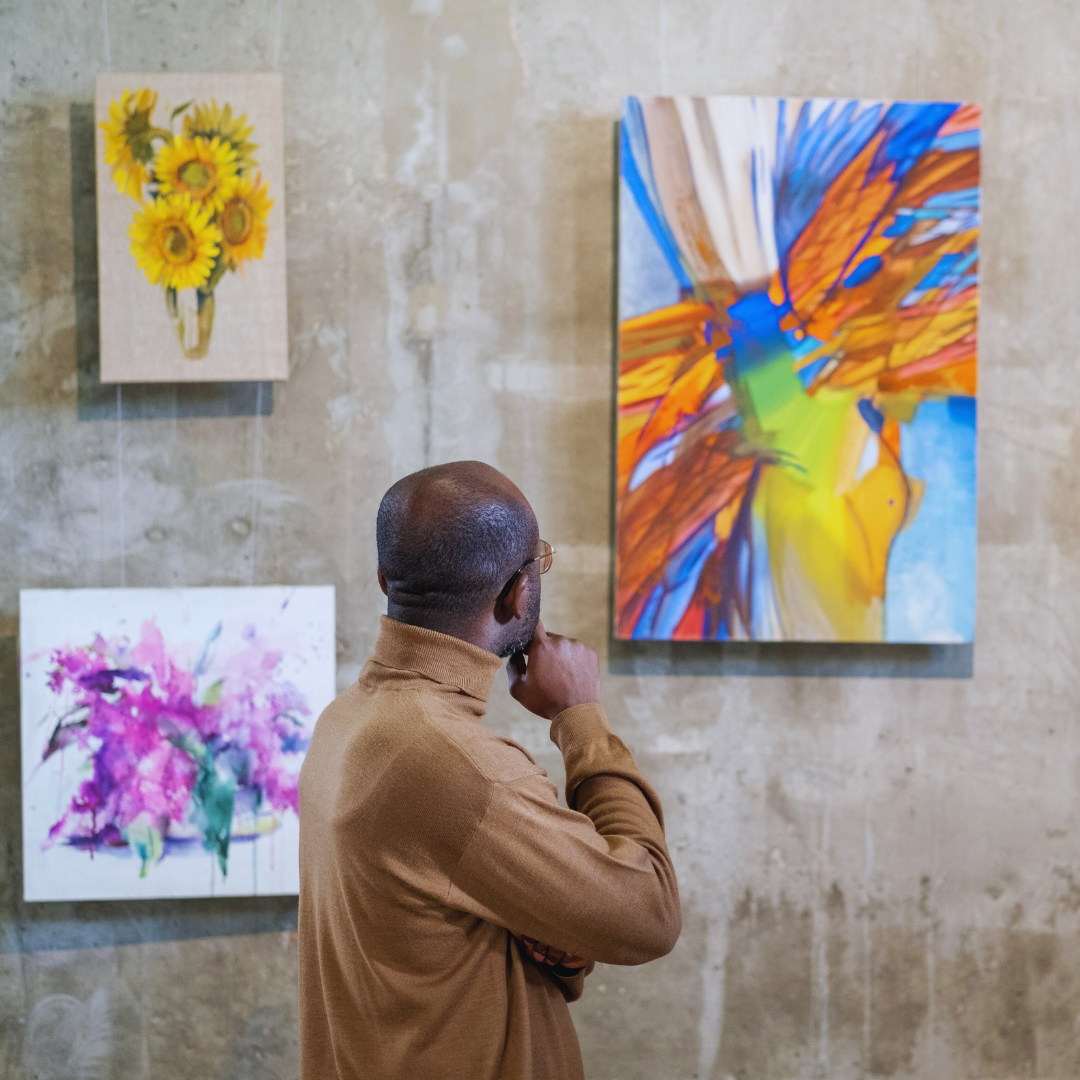
Creating an art exhibit is an exciting journey for any artist looking to showcase their work. Planning becomes essential, as understanding the space, audience, and presentation will significantly impact the exhibit’s success. Artists must consider various factors, from selecting a theme to deciding how to display their pieces effectively.
Networking plays a crucial role in the process. Engaging with local galleries, art communities, and fellow artists can provide invaluable insights and resources. They can help artists navigate logistics, such as obtaining permits and promoting the event to attract a larger audience.
Finally, attention to detail can elevate an exhibit from ordinary to extraordinary. From the flow of the space to the lighting and even the layout of the artwork, each element contributes to the viewer’s experience. Taking the time to curate these aspects thoughtfully allows for a memorable and impactful presentation.
Planning Your Art Exhibit
Planning an art exhibit involves several critical steps that require attention to detail. Selecting a venue is essential, as it sets the tone for the exhibit. Choosing the right dates and times can impact attendance and engagement. Finally, understanding submission fees and copyright issues is crucial for legal compliance and budgeting.
Selecting the Right Venue
The venue influences the visitor experience and the presentation of the art. When selecting a venue, consider factors such as size, location, and accessibility.
- Capacity: Ensure it can comfortably accommodate expected attendees.
- Facilities: Check for necessary amenities, including lighting and climate control.
- Cost: Compare rental fees and what they include, such as utilities and security.
Visit multiple sites to assess their suitability. A well-chosen venue enhances the overall impact of the exhibit.
Choosing Dates and Times
Dates and times significantly affect the exhibit’s success. Selecting a schedule that maximizes attendance is important.
- Weekdays vs. Weekends: Weekends typically attract more visitors.
- Seasonality: Consider local events or holidays that might draw or deter attendees.
- Timing: Evening openings can attract viewers after work, while afternoon time slots may cater to families and school groups.
Research local calendars to avoid scheduling conflicts. A thoughtful schedule can boost visitor engagement.
Understanding Submission Fees and Copyright
Navigating submission fees and copyright is essential for a smooth process. Fees can vary based on venue and exhibit type.
- Budgeting: Include submission fees when planning the overall budget.
- Copyrights: Artists should retain rights to their work while granting exhibition rights, typically outlined in a contract.
- Permissions: Ensure all necessary permissions are obtained for displaying artworks, especially for borrowed pieces.
Clarifying these aspects ahead of time prevents misunderstandings and ensures legal compliance, creating a professional exhibit atmosphere.
Creating and curating your artwork
Creating an art exhibit involves both developing a unique creative process and considering the visual impact of the artwork. Careful curation enhances the viewer’s experience and ensures the artwork is presented effectively.
Developing Your Creative Process
The creative process is foundational for any artist. It begins with brainstorming and generating ideas. An artist may start by exploring personal themes, influences, and inspirations.
Creating sketches or mockups can help visualize concepts before finalizing artwork. Experimentation with different materials or techniques is crucial.
Setting aside dedicated time for this process allows for reflection and refinement of ideas. Seeking feedback from peers can also provide valuable insights, enhancing the overall quality of the work.
Visual Impact and Arrangement
Visual impact plays a significant role in how artwork is perceived. Consider factors such as color, scale, and texture. Bold contrasts can create immediate engagement, while subtle palettes may evoke deeper contemplation.
Arrangement within the exhibit space influences how viewers interact with each piece. A thoughtful layout guides the audience’s flow and draws attention to key artworks.
Using a mix of framing and spacing can enhance the aesthetic appeal. It is essential to maintain a cohesive theme throughout the exhibit. These elements combined create a memorable experience that resonates with viewers.
Promoting Your Exhibit
Effective promotion is essential for a successful art exhibit. Utilizing various channels can enhance reach and engagement, inviting more visitors to appreciate the artwork.
Leveraging Social Media and Press Releases
Social media platforms serve as powerful tools for promotion. They offer the ability to share visually engaging content, such as sneak peeks of the artwork, studio visits, and event details. Regular posts leading up to the exhibit can build anticipation, while stories and live sessions can engage followers in real-time.
Press releases are also vital. Crafting a concise and newsworthy release can attract media attention. Include essential details like the exhibit’s theme, dates, and unique aspects. Distributing this through local newspapers, art blogs, and online platforms can expand visibility.
Consider using a content calendar for scheduling social media posts and release distribution to ensure consistent promotion.
Engaging with Audiences and Networking
Building connections with potential attendees is crucial. Engaging face-to-face at local events or art fairs can introduce the artist directly to the community. Handing out business cards that feature social media handles and website links encourages ongoing connections.
Online interactions also matter. Engaging with followers through comments and messages creates a sense of belonging. Hosting pre-exhibit Q&As or polls can also invite feedback and generate excitement.
Collaboration with local galleries or art influencers can amplify outreach. Joint promotions can attract their audiences, providing mutual benefit and increased foot traffic.
After the Show
Post-exhibition analysis plays a crucial role in an artist’s development. Emerging artists should focus on assessing their performance and exploring avenues for continued exposure and growth.
Evaluating Success for Emerging Artists
Emerging artists should take time to assess various metrics to evaluate the success of their exhibition. This includes tracking visitor engagement and gathering feedback from attendees. Artists can create surveys or engage in conversations to gain insights.
Sales figures also serve as an important indicator. An artist should evaluate not only how many pieces are sold but also which works receive the most interest. Collecting contact information from visitors can help maintain connections for future opportunities.
Artists can consider their execution of the exhibit logistics, such as setup, lighting, and overall presentation. Reflecting on these aspects can yield valuable lessons for future displays.
Next Steps: Art Competitions and Further Publicity
Following an exhibition, artists should actively seek out art competitions that align with their style and goals. These competitions can provide valuable exposure and help establish credibility in the art community.
Publicity is essential for documentating success. Artists should create press releases highlighting their exhibit, emphasizing key achievements. Sharing articles and images on social media platforms can further their reach.
Connecting with local galleries and organizations can also open doors for future shows. Networking with fellow artists and curators during events can lead to collaborative opportunities and initiatives that enhance visibility.